When you travel with children, it gives you the great opportunity to teach them about the world beyond just the classroom. Every destination has different things they can offer for hands-on learning, which provides children with experiences that help them understand different environments, cultures, and historical events. By adding educational elements to your trip, you can make each trip fun and enriching.

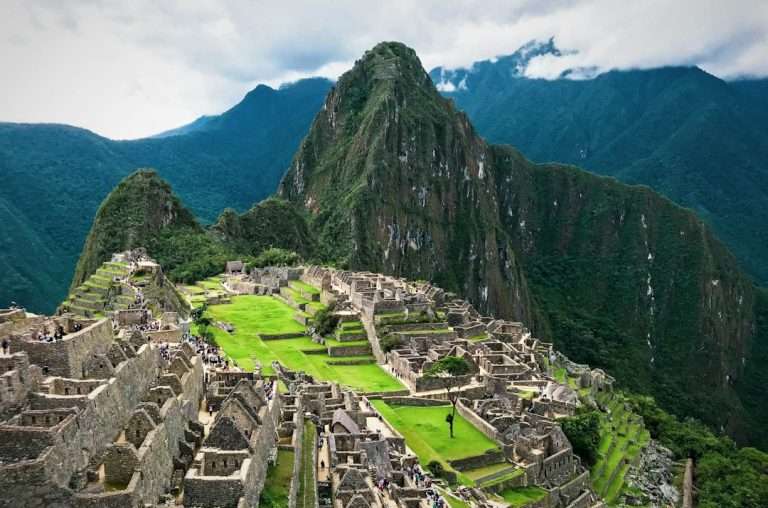
Photo by Jehyun Sung on Unsplash
Let’s have a look at some of the tips for teaching your children while you are on the road, which are perfect for fostering curiosity and knowledge:
Make Learning Fun
Children learn best when they are having fun and are engaged. Travelling is the perfect time to turn sightseeing into interactive lessons where they can experience museums and historical sites. They find that they often get more from these sorts of environments than they do from sitting in the classroom. Encourage your children to ask plenty of questions, experience things firsthand, and explore at their own pace.
When they have hands-on experience, they can play with activities and participate in different areas of learning while they are traveling. For example, if you were visiting a historical landmark or museum, there may be some interactive exhibits, workshops, or tours that are specifically designed for kids.
Try to relate any learning that you do to that interest; for example, if your child loves animals, you could visit a zoo or wildlife sanctuary. If they love space, you could plan a trip to a space center like the Great Lakes Science Center Cleveland, where children can experience exhibits on the environment, technology, and space. Any hands-on activities that offer them an immersive experience can make learning any subject fun and accessible.
Teach History And Geography Through Travel
Travel offers you the perfect opportunity to teach your children about history and geography in a different way. Office in reading books, which is great; they can experience those places firsthand. You can’t explore historical sites, ancient ruins, memorials, and more. For example, visiting a national monument can give your children a glimpse into the past and help them understand the way that people used to live. Map reading is also a brilliant way for you to teach them about geography, so think about getting a couple of maps for the country or destination that you are visiting before you head out on your trip.
Science And nature On The Road
Travel is also brilliant because it gives you the chance to teach your children about the natural world. Whether you are going for a hike, visiting a science museum, or visiting a national park, there are many different chances for you to learn about nature and science. Your children go outdoors and explore natural destinations like lakes, forests, and mountains while you are traveling. You can get them to identify plants and animals and talk about the habitats that you are exploring. It’s also a good idea to visit science museums where they can learn about STEM topics through apps using interactive displays and hands-on experiments.
When you travel with children, it gives you many different opportunities for them to learn From learning geography and history to having scientific curiosity, traveling is a great way to learn.