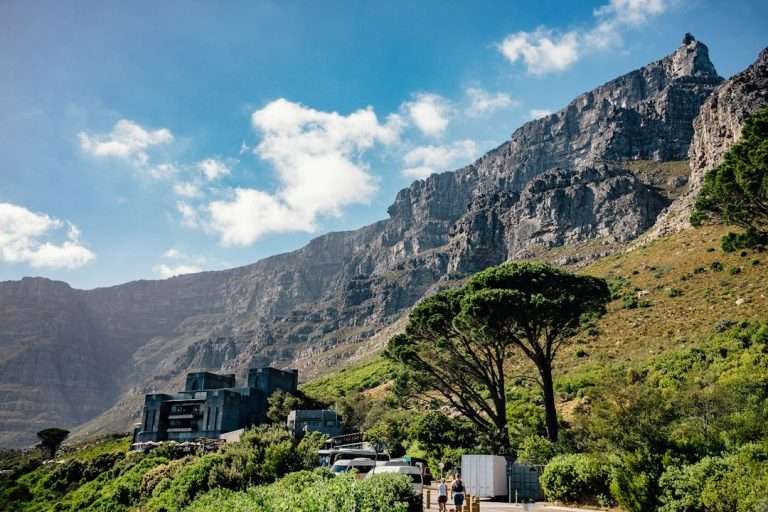
A mountain getaway can become surprisingly hectic when every scenic stop, attraction, meal, and activity starts competing for the same few days. In the Smoky Mountains, where the surrounding national park alone draws millions of recreational visits each year, planning with some breathing room matters. The goal should not be to squeeze in everything you possibly can. It should be to choose a few experiences that genuinely interest you, stay somewhere that supports your plans, and leave enough flexibility for weather, crowds, and the occasional change of heart.
Start With the Kind of Trip You Actually Want
Before booking activities, decide what you want the trip to feel like.
Some travelers want active mornings, scenic drives, and full days outdoors. Others want slow breakfasts, comfortable evenings, and just enough activity to make the getaway interesting. Families may need more variety, while couples may prefer fewer plans and longer stretches of downtime.
When looking for things to do in the Smoky Mountains, Bluff Mountain Rentals highlights local adventure options that can be worked into a broader vacation itinerary. Its vacation-adventure offerings include guided ATV experiences with routes suited to different comfort and experience levels.
Having your lodging and activity planning connected can make the trip feel much less scattered.
Give Each Day One Main Focus
A good vacation day rarely needs four major attractions.
Choose one main experience and build lighter plans around it. That might mean an adventurous morning followed by lunch and a quiet afternoon, or a slow start before heading out later.
Leaving downtime in a family vacation can help different travelers recharge rather than spending the entire trip moving from one plan to another.
This becomes especially useful when people in the same group have different energy levels.
If everyone still feels good after the main activity, you can always add something. It is much harder to undo exhaustion once the schedule is already overloaded.
Let the Weather Influence the Plan
Mountain weather can change quickly, so your itinerary should have alternatives.
Check the forecast each evening rather than assuming the plan you made weeks ago will still make sense. A rainy morning might be better for an indoor activity, while clear conditions could make a scenic outing worth moving forward.
Bring layers even when temperatures look comfortable.
Higher elevations can feel noticeably cooler, and an afternoon shower can change conditions faster than expected. A light rain jacket, comfortable walking shoes, and dry backup clothing can prevent minor weather changes from becoming major annoyances.
Flexibility is not failed planning. It is what allows you to keep enjoying the day when the conditions do not cooperate.
Build in Time to Actually Enjoy the Scenery
It is easy to spend so much time traveling between activities that the landscape becomes something you mostly see through a windshield.
Slow the pace occasionally.
Leave time for a morning coffee outside, a short scenic stop, or an evening with no scheduled destination. Those pauses are often what make a mountain trip feel different from an ordinary weekend packed with errands.
The scenery does not need to become another item on the checklist.
Give yourself enough time to notice changing light, cooler evening temperatures, and the quieter stretches between larger plans. A good trip should create moments where nobody needs to be anywhere else immediately.
Keep Meals From Taking Over the Day
Food can quietly control a travel schedule if every meal requires a new decision.
Decide which meals matter enough to become part of the experience and which ones can stay simple. Breakfast at your accommodation can make an early start much easier, while sandwiches or snacks can keep a midday outing from becoming unnecessarily complicated.
Save one or two meals for a slower restaurant experience when everyone actually wants to sit down.
If your accommodation includes a kitchen, use it strategically rather than trying to cook every meal.
Easy breakfasts, drinks, and a simple dinner can reduce spending and prevent the group from becoming dependent on restaurant timing.
A little food planning gives the rest of the itinerary more flexibility.
Leave Space to Disconnect
Vacations work better when you occasionally stop documenting them.
Practical advice on disconnecting while traveling highlights how reducing constant phone use can create more space for conversation, spontaneity, and mental rest.
You do not need to switch every device off for the entire trip.
Simply choose parts of the day when nobody needs to check messages, scroll, or constantly photograph what is happening. Dinner, an evening outside, or part of a scenic outing can work well.
The point is not to make technology the enemy. It is to prevent the vacation from becoming something everyone experiences mainly through a screen.
Give Different Travelers Some Independence
A group trip does not require everyone to participate in every activity.
One person may want an active morning while another prefers to sleep in. Children may want something interactive while adults are ready for a slower afternoon.
Let the group separate occasionally.
One part of the family can head out while others relax at the accommodation. Couples traveling with friends can choose different activities and reconnect later.
That flexibility often reduces tension because nobody feels dragged through an itinerary designed entirely around someone else’s preferences.
Shared experiences matter, but the trip does not need to become a constant exercise in consensus.
Avoid Planning Around Outdated Information
Travel details can change between the moment you start planning and the day you arrive.
Operating hours, seasonal schedules, road access, attraction availability, and weather-related restrictions can all shift. Check official sources shortly before heading somewhere instead of relying entirely on an older article or social-media post.
This is particularly important for outdoor activities.
A route or attraction that was available months ago may temporarily operate differently, and discovering that after a long drive can quickly change the mood of the day.
A few minutes of current research each morning can save much more time later.
Let the Trip Be Less Ambitious Than Your Draft Itinerary
Most people begin planning with more ideas than they can realistically fit into the trip.
That is normal.
The mistake is assuming every idea needs to survive into the final schedule. Choose the experiences that matter most, remove the ones that create unnecessary driving or stress, and leave gaps where nothing is required.
Those gaps make room for the unexpected parts of travel: a view worth stopping for, an activity everyone wants to repeat, or an afternoon when doing nothing sounds better than the original plan.
A great mountain getaway does not need to prove how much you accomplished.
If your days have a clear focus, your home base supports the way you travel, and the schedule leaves room to adapt, the trip is already doing its job. The goal is not to come home with a completed checklist. It is to come home feeling like you actually had time away.